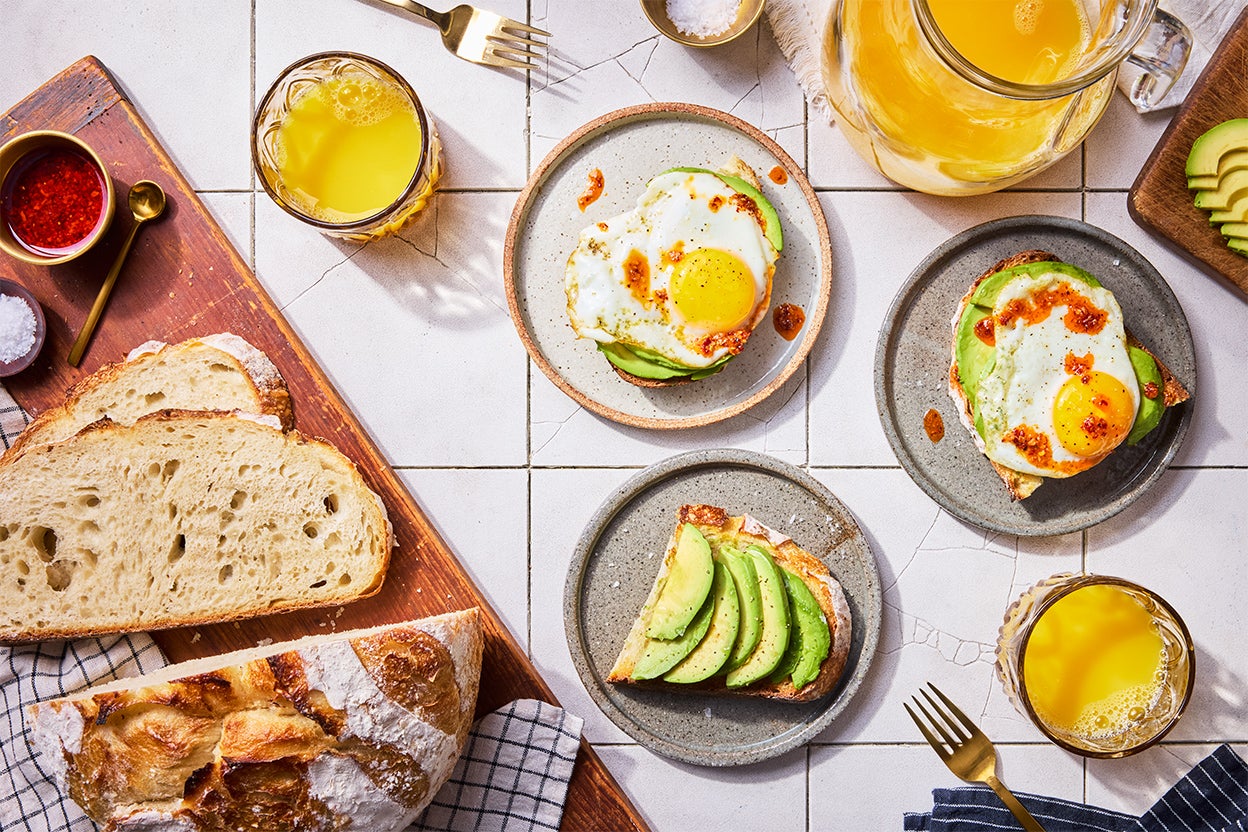
Beginner Sourdough: Master No-Knead Bread in Just 10 Minutes
Dreaming of golden-crusted, chewy sourdough bread filling your home with its irresistible aroma? Many aspiring bakers are intimidated by the perceived complexity of sourdough, envisioning hours of intensive kneading, intricate techniques, and inevitable failures. But what if we told you that achieving a truly spectacular, homemade sourdough loaf could take as little as 10 minutes of active hands-on time? Forget the fear and embrace the flour; this beginner-friendly sourdough recipe is designed to transform you into a confident artisan baker, right from your own kitchen.
For over a decade, bakers worldwide have embraced simplified methods that demystify the art of naturally leavened bread. The journey from a simple no-knead artisan loaf to the holy grail of sourdough doesn't have to be a struggle filled with complex steps. Instead, it's a rewarding process built on understanding fundamental principles and leveraging the magic of your sourdough starter. This article will guide you through a foolproof sourdough recipe that prioritizes ease without compromising on taste or texture, proving that exquisite bread is within everyone's reach.
Demystifying Sourdough: The No-Knead Revolution
Traditionally, bread making conjures images of vigorous kneading – stretching, folding, and developing gluten by hand for what feels like an eternity. For sourdough, this often becomes a major hurdle. However, the modern approach, inspired by visionary bakers and refined over countless experiments, proves that intensive kneading isn't the only path to a strong, elastic dough. The secret lies in a series of gentle "stretch and folds" performed during the bulk fermentation stage.
This no-knead sourdough recipe leverages time and natural processes to do the heavy lifting. Instead of brute force, we rely on the slow, enzymatic activity of the flour and the gas production from your sourdough starter to develop the gluten structure. The total hands-on time for this method is astonishingly brief – typically around 10 minutes spread across the initial mixing and a few quick sets of folds. This revolutionary approach makes baking a genuine pleasure rather than a laborious chore, allowing you to fit delicious, homemade bread into even the busiest schedules. It's a game-changer for anyone looking to master a reliable sourdough recipe without the fuss.
The Magic of Your Sourdough Starter
At the heart of every great sourdough loaf is a vibrant, active starter. Often called the "mother dough," this living culture of wild yeasts and bacteria is what gives sourdough its unique flavor, texture, and rise. If you don't have one yet, creating or acquiring a starter is your first step. Once you have it, maintaining it is surprisingly simple – just regular feeding with flour and water.
- What is an active starter? For this sourdough recipe, an active starter means one that has been fed 4-12 hours prior and has roughly doubled in size, showing numerous bubbles on the surface and along the sides. It should smell pleasantly yeasty and slightly sour, not like nail polish remover.
- Feeding Schedule: If kept at room temperature, feed it daily. For less frequent baking, store it in the refrigerator and feed it once a week. Always bring it to room temperature and feed it at least once (allowing it to activate) before using it in a recipe.
- The Float Test: A simple way to check if your starter is ready is the "float test." Drop a small spoonful of starter into a glass of water. If it floats, it's ready to bake! If it sinks, it likely needs more time to activate or another feeding.
An active starter is crucial for the success of this no-knead sourdough recipe, ensuring proper fermentation, flavor development, and a beautiful oven spring.
Your 10-Minute Hands-On Sourdough Recipe: Step-by-Step
This sourdough recipe is designed for maximum flavor with minimal effort. While the total process takes time (mostly hands-off), your active involvement is incredibly brief.
Ingredients:
- 100g active sourdough starter (fed and bubbly)
- 350g warm water (around 90-95°F / 32-35°C)
- 500g strong bread flour (unbleached white bread flour or a blend with whole wheat)
- 10g fine sea salt
Equipment You'll Need:
- Large mixing bowl
- Kitchen scale (for accurate measurements)
- Bench scraper (optional, but helpful for shaping)
- Banneton or proofing basket (or a bowl lined with a floured kitchen towel)
- Dutch oven or heavy-bottomed pot with a lid
The Easy Steps:
-
Mixing (2-3 minutes hands-on):
In your large mixing bowl, combine the active sourdough starter and warm water. Stir gently with your hand or a spatula until the starter is mostly dissolved. Add the flour and salt. Mix thoroughly until no dry flour remains and a shaggy dough forms. It will be sticky. Cover the bowl with a damp kitchen towel or plastic wrap and let it rest for 30 minutes to 1 hour (this is called autolyse, allowing the flour to fully hydrate).
-
First Set of Stretch & Folds (2 minutes hands-on):
After the rest, lightly wet your hands. Grab a portion of the dough from one side, stretch it upwards, and fold it over to the opposite side. Rotate the bowl a quarter turn and repeat this process 3-4 more times until you've worked your way around the dough. You'll notice the dough becoming smoother and more elastic. Cover and rest for 30-45 minutes.
-
Repeat Stretch & Folds (4-6 times, 1-2 minutes each, total 4-12 minutes hands-on):
Repeat the stretch and fold process every 30-45 minutes for a total of 4-6 sets. With each set, the dough will become progressively stronger, smoother, and more cohesive. This is where the magic of the "no-knead" truly shines! Once done, let the dough rest, covered, for the remainder of its bulk fermentation (total bulk fermentation time is typically 4-8 hours at room temperature, depending on your starter's activity and ambient temperature).
-
Pre-Shaping (1-2 minutes hands-on):
Gently turn the dough out onto a lightly floured surface. Using a bench scraper or your hands, gently form the dough into a loose round. Avoid pressing out too much gas. Cover and let it rest for 20-30 minutes (this helps relax the gluten).
-
Final Shaping (2-3 minutes hands-on):
Dust your banneton or lined bowl generously with rice flour (it prevents sticking better than regular flour). Gently shape the dough into a tight boule (round) or batard (oval), creating tension on the surface. Place the shaped dough seam-side up into your prepared banneton. This tension is key for a good oven spring.
-
Cold Proof (12-24 hours, hands-off):
Cover the banneton with plastic wrap or a shower cap and refrigerate for 12-24 hours. This slow, cold proof develops deeper flavors and makes the dough easier to handle.
-
Baking (hands-on: scoring and transferring):
Preheat your oven to 475°F (245°C) with your Dutch oven inside for at least 30-45 minutes. Carefully remove the hot Dutch oven. Gently invert your cold dough into the hot pot. Score the top of the dough with a sharp razor blade or lame (a single deep slash or a decorative pattern). Cover the Dutch oven and bake for 20 minutes.
After 20 minutes, remove the lid of the Dutch oven. Reduce the oven temperature to 450°F (230°C) and continue baking for another 25-30 minutes, or until the crust is a deep golden brown and sounds hollow when tapped on the bottom.
-
Cooling (1-2 hours, hands-off):
Transfer the baked bread to a wire rack and let it cool completely for at least 1-2 hours before slicing. This crucial step allows the internal structure to set and prevents a gummy texture.
Crafting Your Loaf: Beyond the Basics
While the above sourdough recipe provides a solid foundation, understanding a few nuances can further refine your baking:
- Temperature Matters: The ambient temperature of your kitchen significantly impacts bulk fermentation time. Warmer conditions speed it up, colder conditions slow it down. Observe your dough, not just the clock. Look for a noticeable increase in volume (around 30-50%) and a jiggly, aerated texture.
- Achieving a Perfect Crust: Baking in a preheated Dutch oven is key. The trapped steam in the initial phase creates that thin, crisp crust and helps with oven spring. Removing the lid allows for browning and further crisping.
- Flour Power: Experiment with different types of flour. While strong white bread flour is great for beginners, incorporating a small percentage of whole wheat or rye flour can add depth of flavor and unique characteristics. As you grow more comfortable, you might explore Elevate Your Sourdough: A Baker's Guide to Unique, Perfect Loaves by playing with different grain blends and hydration levels.
- Don't Fear the Stickiness: Sourdough dough, especially at higher hydrations, can be quite sticky. Resist the urge to add too much flour during shaping. A light dusting on your work surface and wet hands are usually sufficient.
The Evolution of Your Sourdough Journey
This beginner sourdough recipe is more than just a set of instructions; it's an invitation to embark on a culinary craft. Like any passion, baking sourdough is a journey of continuous learning and refinement. You'll find that each loaf, while similar in process, will carry a unique personality shaped by your starter, your ingredients, and even the nuances of your kitchen's environment. The joy comes not just from the delicious result, but from the lessons learned along the way.
Don't be discouraged by a less-than-perfect loaf. Every bake offers insights, every observation builds your intuition. Many experienced bakers still tweak and adapt their "best" sourdough recipe, acknowledging that perfection is an ever-evolving target. The process of honing your baking proficiency, making adjustments, and celebrating breakthroughs is what truly defines a dedicated baker. For further inspiration on continuous improvement and personalizing your bakes, consider exploring resources on Sourdough Evolution: Unlocking Your Best Bread Through Dedication.
Embrace the challenge, trust the process, and soon you'll be sharing loaves that not only nourish your family but also carry the distinct touch of your own two hands.
This no-knead sourdough recipe truly makes artisanal bread accessible. With just 10 minutes of active time, you can create a loaf that rivals those from the finest bakeries. It’s a testament to the power of natural fermentation and a gentle, patient approach. So, gather your starter, follow these steps, and prepare to be amazed by the delicious, deeply satisfying bread you can make at home. Happy baking!
