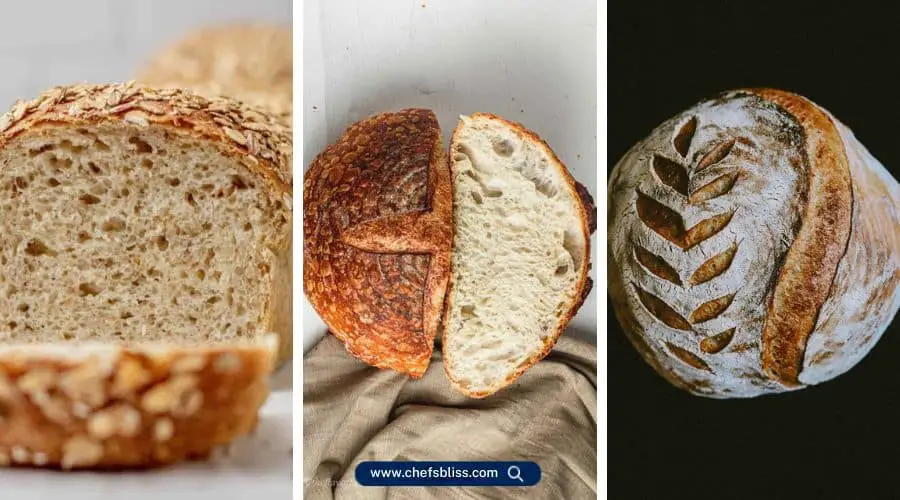
The Journey to Your Signature Sourdough Loaf
There’s something uniquely captivating about sourdough bread. More than just flour, water, salt, and starter, each loaf tells a story – a narrative of patient fermentation, skilled hands, and a baker’s evolving passion. For many, the journey into sourdough begins with a simple goal: to bake a delicious, naturally leavened loaf. But as countless bakers will attest, it quickly transforms into a fascinating pursuit of perfection, a relentless honing of a craft that yields not just food, but art.
Our own fascination with sourdough began much like many others: with curiosity and a willingness to get our hands dirty. Inspired by foundational methods, such as those popularized by Chad Robertson with his liquid levain and focus on folds during bulk fermentation rather than intensive kneading, we embarked on a path of discovery. What started as an attempt to replicate a classic sourdough recipe quickly morphed into an exploration of its infinite possibilities.
This pursuit of the perfect loaf is less about finding one static "best sourdough recipe" and more about the continuous evolution of technique and understanding. Like a living organism, your baking style will grow, take on new traits, shed old habits, and ultimately develop a unique personality. It’s about borrowing inspiration from the vast community of bakers, experimenting with different flours, hydration levels, and fermentation schedules, until you arrive at something distinctly your own. This journey of refinement is what transforms baking from a task into a true craft, where every breakthrough is a cause for celebration. If you're ready to embrace this ongoing process, learn more about how dedication shapes your baking in Sourdough Evolution: Unlocking Your Best Bread Through Dedication.
Beyond the Basic Sourdough Recipe: Crafting Uniqueness
While the fundamental ingredients for sourdough remain constant, the true magic lies in the subtle nuances and the baker's personal touch. It’s astonishing how dramatically a loaf can look and taste simply by changing the hands that create it. This is where your personal sourdough recipe truly comes to life.
Think of your sourdough journey as curating a compendium of insights, a flour-dusted notebook filled with "aha!" moments. These aren't just formula changes; they're epiphanies about dough feel, the strength of a levain, the subtle signs of proper fermentation, or the impact of ambient temperature. We've certainly had our share of these, from understanding the delicate balance of whole grains to perfecting the crispness of the crust. Each iteration, each slight adjustment, moves you closer to a loaf that resonates with your palate and your family's preferences.
The versatility of a well-crafted sourdough is truly hard to beat. While some days you might crave the nutty depth of a whole wheat loaf, a perfectly balanced white or blended sourdough becomes your go-to – the one requested most often, the one shared with pride. It's the bread that fills your freezer, pre-sliced and ready, earning its place as your "pane perfetto." Documenting these changes and observations is crucial. Keeping a baker's journal, noting flour types, hydration, proofing times, and even oven temperatures, allows you to trace your progress and replicate successes, transforming accidental triumphs into consistent results.
Essential Insights for Elevating Your Loaf
- Mastering the Levain: A vibrant, active starter is the heart of your sourdough. Understand its rhythm, how it reacts to feeding, and when it's at its peak for baking. A "liquid levain" approach can offer consistency and strength.
- The Power of Folds: Move beyond intensive kneading. Embrace a series of gentle stretch and folds during bulk fermentation. This technique builds gluten structure without overworking the dough, leading to an open, airy crumb.
- Flour Blends & Hydration: Experiment with different flour combinations (e.g., strong bread flour with a percentage of whole wheat or rye) and adjust hydration levels to suit your flour and desired crumb. Small changes here yield big results.
- Temperature Control: Sourdough is sensitive to temperature. Learn how to adjust fermentation times based on the ambient temperature of your kitchen. A warm environment speeds things up, while a cooler one slows them down, often leading to more complex flavors.
- Cold Proofing Benefits: Don't skip the cold proof! Retarding your dough in the refrigerator overnight develops deeper flavors, improves digestibility, and makes shaping and scoring much easier.
Demystifying Sourdough: An Accessible Path for Every Baker
For many aspiring bakers, homemade sourdough bread can seem like the "holy grail" – an intimidating feat reserved for seasoned pros. Images of complex steps, endless kneading, and inevitable failures often deter enthusiastic beginners. However, the truth is far more encouraging: baking fresh, homemade sourdough bread is entirely within reach for everyone, even with a busy schedule.
One of the biggest revelations in the sourdough community has been the rise of simplified, no-fuss methods. Forget the fear of yeast, the arduous task of kneading, or the need for specialized equipment. Many trusted sourdough recipe variations demonstrate how to achieve soft, crisp, tangy bread at home using just simple ingredients and remarkably little hands-on time. We're talking as little as 10 minutes of active preparation for some no-knead versions, making the dream of daily homemade bread a tangible reality.
Our own journey saw its share of trials and errors, especially in the early days. There were loaves that didn't rise, crusts that weren't crisp, and crumbs that were dense. But each "failure" was a lesson, a stepping stone towards understanding. The key is to start with a reliable, beginner-friendly sourdough recipe that builds confidence, then gradually experiment. The beauty of sourdough is its resilience and the forgiving nature of its core process.
For those feeling daunted, remember this: the most important ingredient is patience, followed closely by a consistent, active starter. Once you've established a healthy starter culture, the rest becomes a dance of understanding your dough and your environment. Embrace the process, learn from each bake, and soon you'll be enjoying the unparalleled taste and satisfaction of your own homemade sourdough. Ready to dive in with a method that respects your time? Check out our guide on Beginner Sourdough: Master No-Knead Bread in Just 10 Minutes.
Conclusion
Baking sourdough is more than just following a set of instructions; it's an immersive craft that promises growth, discovery, and immense satisfaction. From the very first "hands-on" experience with flour and water to the continuous refinement of technique, each baker imbues their loaves with a unique character. While the pursuit of the "perfect" sourdough recipe is a noble goal, the true reward lies in the journey itself – the lessons learned, the breakthroughs celebrated, and the joy of sharing something truly homemade and delicious. So, whether you're taking your first steps into sourdough or seeking to elevate your established techniques, embrace the process, trust your instincts, and prepare to create loaves that are not only delicious but uniquely yours.
